
The clinical challenges of 3D bioprinting technology regenerating tissue for male urethras
The use of 3D printing in medicine offers considerable potential, particularly in the field of regeneration of human tissue. However, the implementation of these technologies from research into clinical practice is a long process and presents major scientific, technical, regulatory and practical challenges. These include ensuring long-term biocompatibility, achieving functional integration with patient tissue, meeting strict regulatory requirements, and delivering personalised solutions for a wider clinical adoption.
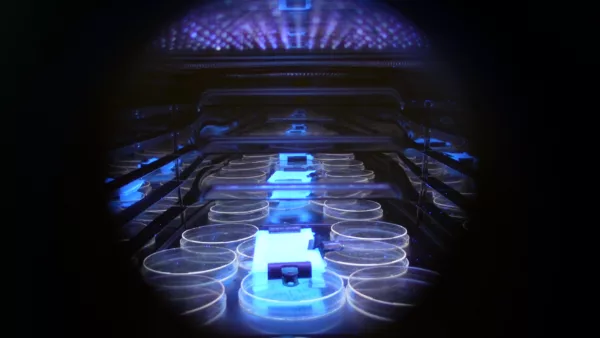
The STRONG-UR project is currently working on an innovative technology to tackle the main clinical challenge, being advanced 3D bioprinting technology combining with patient-specific biomaterials to create personalised tissue. Particularly, it focuses on the treatment of male urethral strictures and on bringing this new methodology to clinical use.
Urethral stricture: a common men’s health condition
Urethral stricture is a common condition in men in which the urethra becomes narrowed due to birth defects, injury, infection, or medical procedures, often affecting quality of life. This condition affects between 6 and 25 million men worldwide, making it a significant global health problem.
Creating living tissue with bioink
STRONG-UR researchers are designing a bioink to replicate the urethra’s complex, multi-layered architecture, which is essential for restoring mechanical strength and physiological function. This bio-ink enables the fabrication of tissue that closely mimic natural tissue structure and function. It contains living cells in a biocompatible gel and is printed layer by layer to form a living tissue. The development of such materials is capable of both supporting living cells and maintaining structural stability.
Why can’t traditional surgical methods fully restore the urethra?
The level of precision helps the printed tissue develop properly, allowing cells to organise, mature and work together as living tissue after insertion. To achieve this, the STRONG-UR team uses advanced 3D printing to carefully recreate the different layers of the urethra. This approach goes beyond traditional surgical methods, which often rely on grafts or artificial materials and can lead to problems such as scarring, infection or poor long-term results. Because the urethra is a complex structure, high precision is essential to create effective, personalised and lasting solutions.
The main barriers to clinical implementation
Despite its promising potential, the STRONG-UR bioprinting solution faces a long pathway towards clinical implementation. Regulatory approval processes, long-term safety assessments and reproducibility at a clinical scale remain significant constraints. In addition, the production of viable tissue that can adapt and perform effectively within the human body requires extensive preclinical and clinical evaluation. Nevertheless, this technology represents a unique combination of novel manufacturing technologies and advanced biomaterials, with particular relevance for the fabrication of tubular organs.
STRONG-UR researchers will address the current clinical challenges of 3D printing in medicine and contribute to the future of personalised regenerative therapies.
----
Source: STRONG-UR